
10 Smart Ways to Keep Your Home Clean, Organized, and Clutter-Free
Discover practical home organization ideas, simple cleaning routines, smarter kitchen storage solutions, and everyday habits that can help you create a more comfortable and functional living space.
Category: Home & Living | Reading time: Approximately 8 minutes
A well-organized home begins with simple habits and practical storage.
A clean and organized home does not have to require hours of work every day or a complete makeover. Often, small changes to your daily routine, thoughtful storage choices, and a consistent cleaning schedule can make household tasks easier to manage.
Whether you live in a compact apartment or a spacious family home, organizing your surroundings can help you find everyday items more easily, use available space effectively, and spend less time searching for misplaced belongings.
In this guide, we explore ten practical ways to maintain a cleaner, more organized home, along with useful tips for the kitchen, living room, storage areas, and everyday cleaning routine.
1. Start by Decluttering Your Home
Before purchasing new organizers or storage containers, take a look at what you already own. Crowded shelves, overflowing drawers, and unused items can make even a spacious room feel disorganized.
Start with one small area rather than trying to organize the entire home at once.
- Remove items you no longer use from drawers and shelves.
- Separate belongings you want to keep, donate, recycle, or discard.
- Return misplaced items to their appropriate locations.
- Avoid buying storage products until you understand what you need to store.
A practical approach is to declutter one drawer, cupboard, or shelf at a time. Small, manageable tasks are easier to repeat than an overwhelming full-house cleanup.
2. Give Everything a Designated Place
One of the simplest ways to maintain an organized home is to decide where frequently used belongings should live. When items have a designated place, putting them away becomes easier.
Consider creating specific locations for:
- Keys, wallets, and daily essentials near the entrance.
- Cleaning cloths and appropriate household supplies in a secure storage area.
- Cooking utensils near the areas where they are used.
- Remote controls, chargers, and small accessories in labeled containers.
- Fitness accessories in one dedicated basket, shelf, or storage zone.
Keep everyday items within convenient reach, while storing rarely used belongings in less accessible areas. This makes your home easier to navigate without filling every available surface.
3. Create a Simple Daily Cleaning Routine
Cleaning becomes more manageable when small tasks are completed regularly instead of allowing them to accumulate. You do not need a complicated schedule; a short list of repeatable tasks can be enough.
A practical daily routine
- Make the bed and put away loose clothing.
- Wash dishes or load them into the dishwasher, if available.
- Wipe kitchen counters with a suitable cleaner.
- Return frequently used items to their proper places.
- Collect rubbish and deal with it appropriately.
- Spend a few minutes resetting the main living area.
Adjust the routine to suit your household size, schedule, and needs. The aim is consistency, not perfection.
According to the US Centers for Disease Control and Prevention, regular cleaning removes dirt and many germs from household surfaces. In most situations, routine cleaning is sufficient; disinfecting is particularly relevant in certain circumstances, such as when someone is sick.
4. Organize Your Kitchen for Everyday Convenience
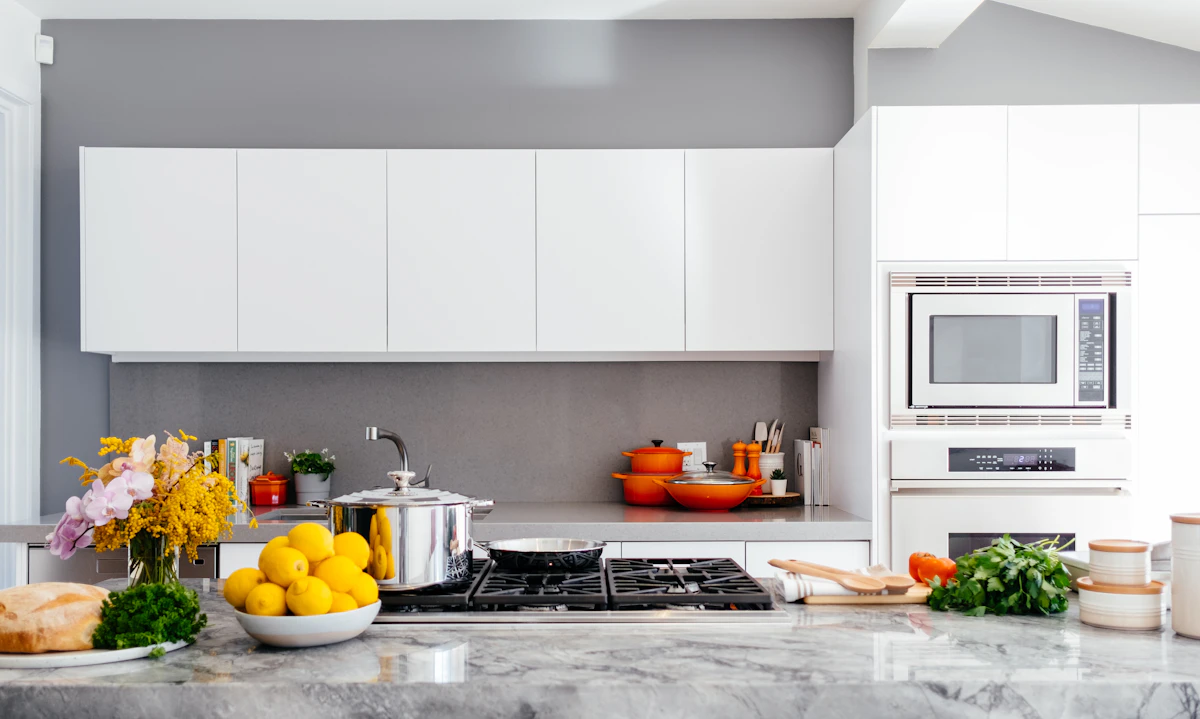
The kitchen is one of the busiest areas of a home. Cooking, cleaning, storing groceries, and preparing meals become easier when essential items are easy to find.
Use these kitchen organization ideas
- Group similar items: Keep cooking utensils, food-storage containers, and baking accessories together.
- Use vertical space: Where safe and suitable, use shelves or organizers to make better use of cupboards.
- Label storage containers: Labels can help identify ingredients and reduce confusion.
- Keep counters practical: Leave room for food preparation instead of displaying every kitchen gadget.
- Review food regularly: Check expiry dates and store ingredients according to their packaging instructions.
Choose food-safe containers for food storage and ensure that heavy cookware is stored securely. Keep sharp utensils, hot appliances, and cleaning products safely away from children.
5. Make Better Use of Storage Space

Effective storage is about making belongings easy to access, not simply hiding everything out of sight. A few well-chosen storage solutions can make cupboards, shelves, and small rooms more functional.
Storage ideas worth considering
- Use baskets to group small items by purpose.
- Choose drawer dividers for accessories and household tools.
- Store seasonal belongings in clearly labeled containers.
- Use under-bed storage where suitable and easy to access.
- Measure cupboards before purchasing organizers.
Avoid overfilling containers or stacking heavy objects in unstable arrangements. Store frequently used items at comfortable heights and keep exits and walkways clear.
6. Keep Frequently Used Surfaces Clear
Kitchen counters, dining tables, bedside tables, and coffee tables often become temporary storage areas for unrelated items. Keeping these surfaces reasonably clear can make rooms easier to clean and use.
Try these simple habits:
- Return items after using them instead of leaving them on a table.
- Keep only useful or intentional decorative items on display.
- Use a small tray to group everyday essentials.
- Wipe surfaces using cleaning products appropriate for their materials.
You do not need completely empty surfaces to have an organized home. The goal is to keep enough clear space for everyday activities.
7. Choose the Right Cleaning Supplies
Different materials and surfaces may require different cleaning methods. Keeping a small, organized collection of appropriate supplies can make routine maintenance more convenient.
Useful household cleaning essentials may include:
- Microfiber cloths for suitable surfaces.
- A mop and bucket appropriate for your flooring.
- A soft brush for suitable corners and crevices.
- Sponges and scrubbers suitable for the intended surface.
- Surface-specific cleaning products used according to their labels.
- Gloves or other protective equipment when product instructions require them.
Always read the instructions on cleaning products, use them only for their intended purpose, and provide ventilation when directed. Never mix cleaning chemicals, particularly bleach with ammonia or acidic products, because dangerous gases can be produced.
The CDC's home-cleaning guidance also recommends following product-label directions and keeping cleaning chemicals away from children and pets.
8. Pay Attention to Ventilation and Indoor Air
A comfortable home involves more than tidy furniture and clean floors. Cooking, moisture, household products, and other sources can affect indoor air quality.
Where outdoor conditions make it appropriate, consider the following:
- Open windows or doors to increase fresh-air ventilation when practical.
- Use kitchen or bathroom exhaust fans that vent outdoors, where available.
- Address water leaks and damp areas promptly.
- Clean using suitable methods that minimize unnecessary dust.
- Maintain ventilation equipment and replace filters as directed by the manufacturer.
The US Environmental Protection Agency identifies source control, ventilation, and suitable filtration as important strategies for improving indoor air quality.
Ventilation should be adapted to local conditions. If outdoor air contains significant dust, smoke, or pollution, opening windows may not be the best option at that time.
9. Manage Laundry and Small Household Tasks

Small unfinished tasks can accumulate and make a home feel untidy. A consistent approach to laundry, rubbish, and everyday belongings can prevent these jobs from becoming overwhelming.
- Use separate laundry baskets if they help your household sort clothes.
- Follow garment care labels when washing and drying clothes.
- Return clean laundry to wardrobes and drawers promptly when possible.
- Empty household bins regularly and follow local waste-sorting rules.
- Keep frequently used household supplies together in a designated place.
If you have a busy schedule, divide tasks across different days. A simple routine that fits your life is more useful than a complicated schedule that is difficult to maintain.
10. Build a Weekly Home Maintenance Habit
Daily tidying helps maintain order, while a weekly review gives you time to handle tasks that need less frequent attention.
A sample weekly schedule
- Monday: Dust suitable surfaces and organize one small area.
- Tuesday: Clean the kitchen and check food storage.
- Wednesday: Vacuum or sweep floors as appropriate.
- Thursday: Refresh the bathroom using suitable products.
- Friday: Sort laundry and put away loose belongings.
- Saturday: Review storage areas and complete outstanding chores.
- Sunday: Prepare your essentials and plan the coming week.
This is only an example. Adjust the frequency of each task to suit your home, household size, pets, local conditions, and personal requirements. Some areas may need more frequent attention.
Your Simple Home Reset Checklist
Use this checklist when you want to reset your space without turning the task into a major project.
You do not need to complete everything at once. Choose the tasks that matter most for your household and build a routine that feels realistic.
Frequently Asked Questions
1. How can I keep my home clean when I have a busy schedule?
Focus on small daily tasks, such as washing dishes, returning belongings to their places, and wiping frequently used surfaces. Divide larger chores across the week instead of doing everything in one session.
2. What is the first step in organizing a cluttered room?
Start with one small area, such as a drawer or shelf. Remove unnecessary items, group the belongings you intend to keep, and assign each group a convenient storage location.
3. Are storage boxes and organizers always necessary?
No. First assess your belongings and the space available. Existing shelves, drawers, and containers may be sufficient. Buy additional organizers only when they solve a clear storage problem.
4. How often should household surfaces be cleaned?
The frequency depends on how the surface is used and how quickly it becomes dirty. Clean visible dirt as needed and pay regular attention to frequently touched surfaces, such as handles, switches, and kitchen counters.
5. Should I disinfect every surface in my home daily?
Not necessarily. The CDC explains that regular cleaning is sufficient in most everyday situations. Disinfection may be appropriate when someone is sick or under other specific circumstances. Always follow product instructions.
6. How can I organize a small kitchen?
Group similar utensils and supplies, make effective use of suitable vertical storage, label food containers, and keep work surfaces clear. Make sure storage arrangements remain stable and safe.
7. How can I reduce dust inside my home?
Clean surfaces regularly with suitable methods, vacuum floors and furnishings as appropriate, and maintain ventilation or filtration equipment according to its instructions. Dust reduction also depends on the sources of dust and the conditions around your home.
8. What household essentials should I buy first?
Start with the items needed for your actual routine, such as suitable cleaning cloths, a floor-cleaning tool, practical kitchen storage, and containers for frequently used belongings. Choose products according to their purpose, quality, dimensions, and budget.
Final Thoughts: Make Everyday Living Simpler
A cleaner, more organized home is built through practical choices and repeatable habits rather than expensive makeovers. Decluttering gradually, creating a place for everyday items, maintaining a manageable cleaning routine, and choosing appropriate storage solutions can make household tasks easier to handle.
Start with one change that addresses your biggest everyday frustration. Once it becomes part of your routine, move on to the next.
Make Room for Better Living
Discover practical everyday essentials for your home, kitchen, cleaning routine, and living space with Veylora.
Explore the CollectionReferences and Further Reading
The cleaning and indoor air quality recommendations in this article draw on the following public guidance:
- CDC — When and How to Clean and Disinfect Your Home
- US EPA — Ways to Improve Indoor Air Quality
- US EPA — Improving Indoor Air Quality
This article provides general household organization and cleaning information. Follow the instructions supplied with individual products and seek qualified help for specialized maintenance or safety concerns.
Veylora — Better Living. Every Day.